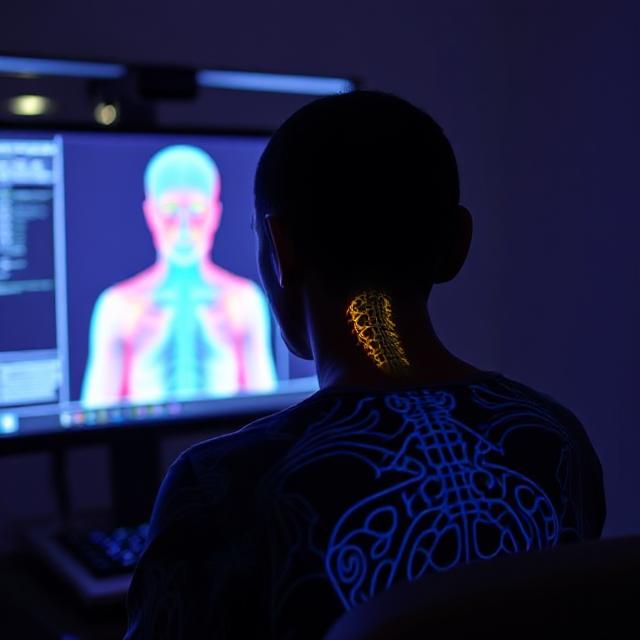
In recent years, advancements in health technology have transformed the way we understand and manage our well-being. Among these innovations, the biofeedback scan has emerged as a powerful tool, offering individuals a window into their body’s intricate physiological processes. By providing real-time data about bodily functions, biofeedback scans empower users to enhance their health through self-awareness and voluntary regulation. This article explores the concept of the biofeedback scan, its mechanisms, applications, benefits, limitations, and future prospects.
What Is a Biofeedback Scan?
A biofeedback scan is a non-invasive assessment method that measures various physiological parameters—such as heart rate variability, muscle tension, skin temperature, respiration rate, blood pressure, and brainwave activity—and presents this information visually or audibly to the user. The primary goal is to help individuals recognize their body’s responses to stress, relaxation, or certain stimuli, enabling them to develop greater control over these functions.
Unlike traditional medical diagnostics that focus on identifying disease or pathology, biofeedback scans emphasize self-regulation and improving physiological balance. They serve both as diagnostic tools and as training instruments, guiding users toward healthier habits and stress management techniques.
How Does a Biofeedback Scan Work?
The process begins with sensors that are attached to or placed near the body. These sensors detect electrical or physiological signals and transmit data to specialized equipment or software. The typical steps include:
- Measurement: Sensors record specific physiological signals, such as skin conductance, muscle activity (via electromyography), or brainwaves (via EEG).
- Analysis: The system analyzes the signals to determine patterns, variations, and anomalies. For instance, it might identify periods of heightened stress indicated by increased skin conductance or muscle tension.
- Visualization: The data is translated into meaningful visual or auditory feedback—charts, graphs, or sounds—that the user can interpret in real time.
- Training/Intervention: The individual uses this immediate feedback to practice relaxation, breathing, or other self-regulation techniques, aiming to modify physiological responses consciously.
Over time, repeated sessions can help individuals learn to control involuntary functions, reducing stress, alleviating pain, or improving overall health.
Types of Biofeedback Scans and Parameters Measured
Biofeedback scans can target various physiological systems, each offering different insights:
- Electromyography (EMG): Measures muscle tension. Often used to manage stress, headaches, or temporomandibular joint disorder (TMJ).
- Thermal Biofeedback: Tracks skin temperature, which can fluctuate with stress and relaxation. Useful in managing migraines and anxiety.
- Heart Rate Variability (HRV): Assesses the variation in time between heartbeats, reflecting autonomic nervous system balance. HRV-based biofeedback is popular for stress reduction and improving cardiovascular health.
- Electroencephalography (EEG): Monitors brainwave activity. Used in neurofeedback to treat conditions like ADHD, anxiety, or sleep disorders.
- Galvanic Skin Response (GSR): Measures skin conductance, indicating emotional arousal or stress levels.
Some advanced biofeedback systems combine multiple parameters for a comprehensive view of physiological health.
Applications of the Biofeedback Scan
The versatility of biofeedback scans makes them applicable across various fields:
1. Stress and Anxiety Management
Chronic stress and anxiety are pervasive health issues. Biofeedback scans help individuals recognize physiological signs of stress and learn relaxation techniques such as diaphragmatic breathing or progressive muscle relaxation. These practices can lead to decreased cortisol levels, improved mood, and better overall mental health.
2. Pain Management
Biofeedback is effective in managing conditions like migraines, tension headaches, and chronic pain. By identifying muscle tension or vascular responses associated with pain episodes, individuals can employ biofeedback-assisted relaxation strategies to reduce discomfort.
3. Mental Health and Cognitive Enhancement
Neurofeedback, a form of biofeedback focusing on brain activity, has gained popularity for improving focus, emotional regulation, and sleep quality. It is used as an adjunct in treating ADHD, depression, and PTSD.
4. Rehabilitation and Physical Therapy
Muscle tension measurements aid in rehabilitation from injuries or surgeries. Patients learn to engage or relax specific muscle groups, improving recovery outcomes.
5. Performance Optimization
Athletes, musicians, and performers use biofeedback to enhance concentration, reduce performance anxiety, and optimize physical responses during high-pressure situations.
6. Cardiovascular Health
Monitoring HRV can reveal autonomic nervous system imbalances, guiding lifestyle adjustments to improve heart health and resilience to stress.
Benefits of the Biofeedback Scan
The advantages of utilizing biofeedback scans extend beyond immediate physiological insights:
- Enhanced Self-Awareness: Users gain a deeper understanding of their body’s responses, fostering mindfulness and body-mind connection.
- Empowerment: As individuals learn to control involuntary functions, they develop a sense of mastery over their health.
- Non-Invasive and Safe: Biofeedback is generally safe, with minimal risk, as it involves no medication or invasive procedures.
- Complementary Treatment: It can be integrated with conventional therapies for holistic health management.
- Preventive Health: Early detection of physiological imbalances can prompt lifestyle changes before serious issues develop.
Limitations and Challenges
Despite its benefits, biofeedback scanning has limitations:
- Cost and Accessibility: High-quality biofeedback equipment can be expensive, and access may be limited in some regions.
- Need for Professional Guidance: Proper interpretation of data and training require trained practitioners, especially for complex cases.
- Individual Variability: Responses to biofeedback techniques vary among individuals; not everyone may experience significant benefits.
- Placebo Effect: Some improvements may be due to placebo effects or increased relaxation simply through attention, rather than the biofeedback itself.
- Technological Limitations: Signal interference, sensor placement, and equipment calibration can affect accuracy.
The Future of Biofeedback Scanning
Technological innovation promises to expand the capabilities and accessibility of biofeedback scans:
- Wearable Devices: Smartwatches and biosensor patches are increasingly sophisticated, allowing continuous monitoring outside clinical settings.
- Artificial Intelligence: Machine learning algorithms can analyze vast datasets to personalize biofeedback protocols and predict health risks.
- Integration with Digital Health Platforms: Combining biofeedback data with other health metrics can facilitate comprehensive health management apps.
- Remote and Telehealth Applications: Telemedicine integration allows practitioners to guide patients through biofeedback training remotely.
- Research and Validation: Ongoing studies aim to strengthen the scientific evidence supporting biofeedback’s efficacy across various conditions.
Conclusion
The biofeedback scan represents a convergence of technology and self-awareness, offering a window into the body’s inner workings. By providing real-time data on physiological functions, it empowers individuals to take an active role in managing their health, reducing stress, alleviating pain, and enhancing overall well-being. While there are challenges to overcome, ongoing innovations and increasing accessibility hold promise for making biofeedback a mainstay in personalized healthcare. As our understanding of the mind-body connection deepens, the biofeedback scan stands out as a pivotal tool in unlocking the body’s innate capacity for self-regulation and healing.